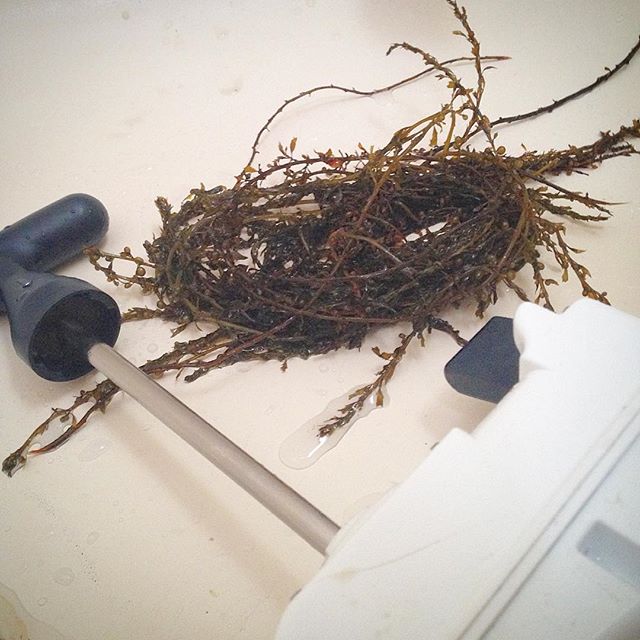
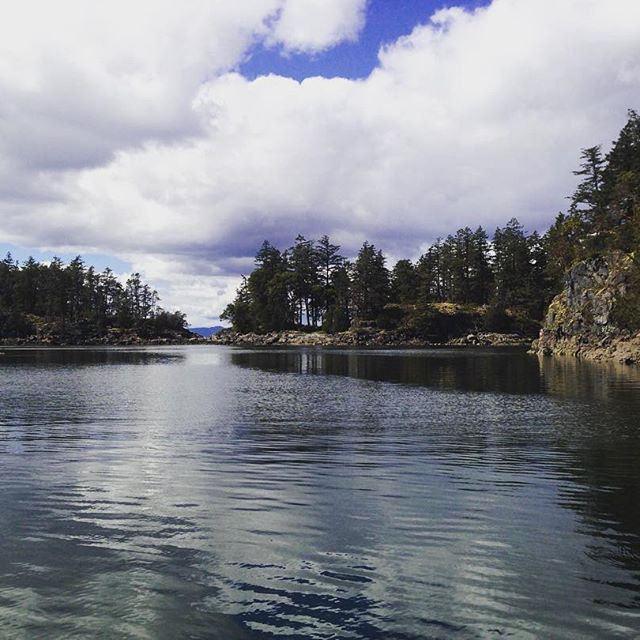
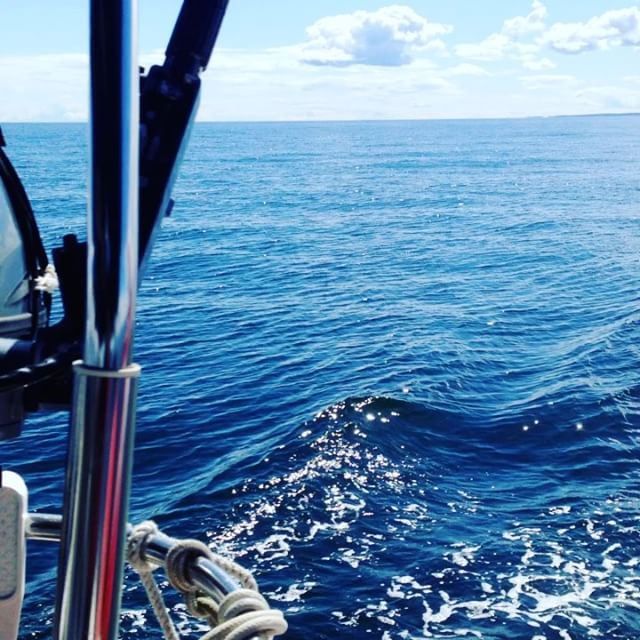
Instagram This Week
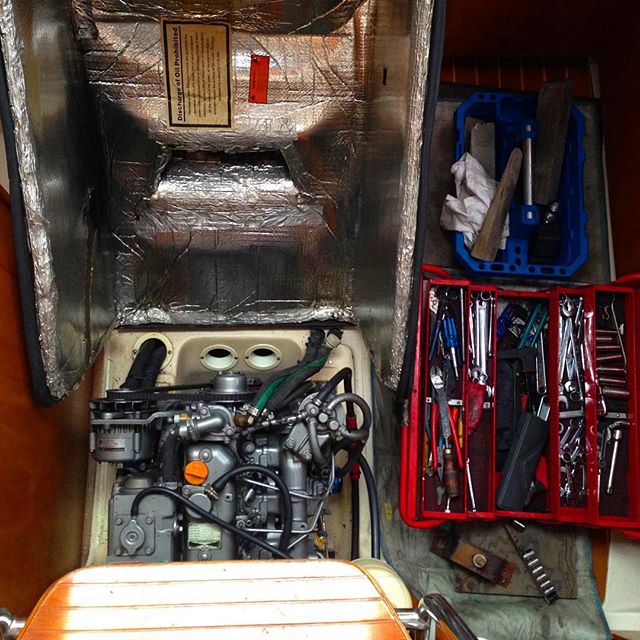


My First Big Mistake
It was in fact, not much of a mistake. Or maybe not a mistake at all. Really just a moment of inattention while trying something new that, compounded with a lot of other small things, snowballed; and then it all just seemed to gather more and more way as time progressed. I guess that’s how you learn things; I certainly have.
How it Happened

We crossed the Strait of Georgia in winds that varied from 10-20 knots motorsailing because we wanted to charge up the batteries. As we pulled into Nanaimo Harbour the winds were still blowing 15 and we circled around to find a nice spot to drop anchor. Every time we come here there seems to be more and more boats on private moorings appearing and a quite a few that seem to be permanently anchored. It makes harder on us transients. I chose a spot behind a small sailboat that looked like it was on a rope rode, killed our forward momentum as we turned into the wind and signalled Leslie to go ahead and drop the anchor.
And this is when I made the critical decision. Every single other time I have anchored a boat — every, single, time — at this point I have put the engine into gear in reverse and backed away as the rode ran out over the anchor roller. But the wind was up and I, fatefully, decided to let the wind blow us down and try and set the anchor without using the engine. And it worked. The wind slowly swung us beam to the wind as we drifted downwind and then the anchor caught, swung us around by the bow and we were set.
Now the details become important. Because the wind and waves were up while we were crossing the Strait I had let the dinghy painter out to almost its full extent (around 25 ft) — which was a lot more than I usually do. And since when anchoring I didn’t motor in reverse like I usually do, the dinghy wasn’t pulled alongside and out of the way. And since the propellor wasn’t turning and we were drifting so slowly, the painter (the floating line that attaches the dinghy to the boat) gathered alongside the leeward side near the stern and (apparently) under it.
All good so far, but then I decided that I would set the anchor a bit more with the engine since the anchorage was crowded, the winds were up, and I wanted a good night’s sleep…hah. I put the boat in reverse and started to increase the revs. “Whuzzz…Bang!” And then silence. The engine had died…stalled, as it wound the painter around the propellor shaft, tried to suck the dinghy under the boat and then gave up trying.

My newly sharpened blade…
I pushed down on my incipient panic, confirmed with Leslie we actually had a set anchor and took a deep breathe and examined the situation. We were in a pretty good spot although I was wary of another small boat off our stern that seemed to be on a rope rode. And there was another, bigger sailboat about 100 feet off our stern—plenty of room. First off we grabbed a spare line and cut the dinghy free from its bow down position nearly under the stern— ironically I had spent part of the crossing sharpening the blade on my multi-tool because I wasn’t sure it had been sharp enough to cut a line quickly in an emergency situation. Well I proved it was now. Dinghy secured, I tried tugging on the remainder of the painter but it wasn’t going anywhere.
I decided to give Ian at NYCSS a call for some advice. He suggested that perhaps we could unwind the rope by hand if one person twisted the shaft below while another tugged on the line from behind the boat. Back in the aft cabin I noticed the after engine cover had vibrated loose and I set it aside, then tried to twist the propellor shaft just above the stuffing box. But it wasn’t going anywhere. Another call to Ian got me the name and number of a local diver (Menno from Aquarius Marine) and the offer of a mask if I wanted to try and cut it free myself. I called Menno.
I left a message on his machine and started the engine up to make sure all was well. It seemed to be but did sound a bit different. Then I went below to clean up. But for some reason the back engine cover wouldn’t fit back on. That’s when I noticed the exhaust elbow was an inch or so further back than usual and apparently that’s why the panel wouldn’t go back on. F@ck. Really. I had managed to avoid swearing until that point but really…my motor had moved? F@ck.
I pulled up the front engine cover and checked the motor mounts. Now I have never really looked at my motor mounts before so I had no idea what they were supposed to look like but nothing seemed snapped or broken— although the heavy black rubber pads certainly seemed distorted into odd shapes. So I called Ian again. We determined that the line, winding around the shaft had wound around the space between the prop and the bearing and then started pulling the shaft out until the engine stalled. Since I hadn’t really started to rev the engine everything should — should — be fine but were were going to have to haul her out to be sure. And since the winds were still blowing, we were better off waiting until the next day to try towing her down the narrow channel to Stones.

We lowered the outboard onto the dinghy just in case and a few minutes later Menno called back and offered to come out anyway and try and cut the line, but I decided to just wait. When Leslie popped her head up and let me know that high tide the next day was at 6 am and that it was a new moon so that meant the low tide at noon would likely mean the lift at Stones was inaccessible for most of the day, I almost reconsidered Menno’s offer. We decided a beer was in order and hit the Dinghy Dock Pub for some comfort food and alcohol. Ian called while we were there and said the schedule for the boat lift was indeed stacked up and we would have to wait and try and get Never for Ever lifted around 4:30 in the afternoon as the tide came back in. So we went back to the boat, had a quiet evening and went to bed with the winds dying and all seemingly calm.
Consequence Two
All in all I was pretty calm. Usually stuff that I lose control over freaks me out a bit but so far I had been handling the stress with unusually (for me) little anxiety. So we drifted off to sleep pretty easily, rolling gently.
“CLANK!”
I was out of bed with barely muted “Ah F@ck…” and up the companionway moments later. It was just after midnight and a lovely Bayfield 36 (the bigger boat that used to be 100 feet behind us) was almost alongside with its long, elegant bowsprit having just banged into our not-so-elegant bow pulpit. It was dead calm and the Bayfield’s rope ride was completely slack. I had no idea if it’s anchor had broken loose or it was just too long and was crossed with ours. I grabbed it’s rail and held on, considering my options.
For some reason Leslie had not woken up and the despite the noise, my walking around on her deck and shining my light in the ports of the Bayfield, no one had emerged. So there I stood, boat in hand pondering just how ridiculous this was. Eventually Leslie emerged sleepily wondering why I was missing and grabbed me a line. I tied off the Bayfield to our midship cleat and popped in a few fenders. Then I gave Nanaimo Harbour Authority a call on the VHF and failing that, phoned their land line. No luck, despite the fact that a few years ago, they were responsible for my very first rude awakening aboard when they had banged the anchor on their patrol boat on our in the middle of the night scaring the hell out of me. I guess they don’t work nights in the early season?
The machine at the Harbour Authority did have a 1-800 emergency number and/or a star-16 cell number. Given that I had no ability to maneuver and that casting off a potentially loose boat in a crowded harbour in the middle of the night seemed contra-indicated, I figure this constituted a bit of an emergency. Turns out that star-16 is the Coast Guard emergency line… oh. I didn’t know that. Embarrassed, I babbled an apology and explanation to the nice operator — really, I hadn’t thought this was Coast Guard level quite yet — and she took all my particulars and details and said she would see if she could contact someone, promising to call me back.
By this time Leslie and I had mostly decided that just properly rafting up the two boats for the night was the best solution and I had just started to get the lines and fenders out when a head finally emerged from the companionway of the Bayfield. Seems the young fellow was a sound sleeper. A very sound sleeper. He seemed to grasp the situation pretty readily and was instantly apologetic. I didn’t think it was any of his fault, although when I found out that he had 200 feet of rope rode out in a busy anchorage that was 25’ deep at most, I did scratch my head a bit. Even then it really wasn’t his fault—after all, I had laid my anchor line over his, not vice versa.
We fiddled and pulled and eventually came to the conclusion that the rafting plan was the best thing for now and we could deal with the rest in the morning. So I grabbed my cell, noticed a missed call (I had the stupid Do Not Disturb mode on…bugger) and called the Coast Guard back to inform them that the Bayfield was not in fact unmanned and let them know our solution. I guess they must get all sorts of calls like this because it didn’t seem to phase them and they even thanked me. Then we finished tying up the two boats and retreated to our respective berths.
Day Two

The next morning started early. Our new companion was up at 6 am to cast off and we started hauling rode (he had no windlass). Our chain was lying across his but we managed to lift it off with a boathook and he was free. We cast him off and he moved over to the edge of the anchorage to reanchor.
Then we relaxed for a few hours before heading into town to run some errands. On the way back we checked out low tide at Newcastle Island. It’s a new moon low tide, only .3 feet (that’s the Canadian low, low water), and almost no water between Protection Island and Newcastle: freaky.

Around 3pm, I rigged up a bridle and Ian and crew came out from Stones (Nanaimo Yacht Charters) in their chase boat and we got ready to go. We hauled the chain rode by hand (we being mostly them, but I did help near the end) and we were off. Ten minutes later we were entering the marina and Ian skillfully and gently towed us along the dock by the boat lift.
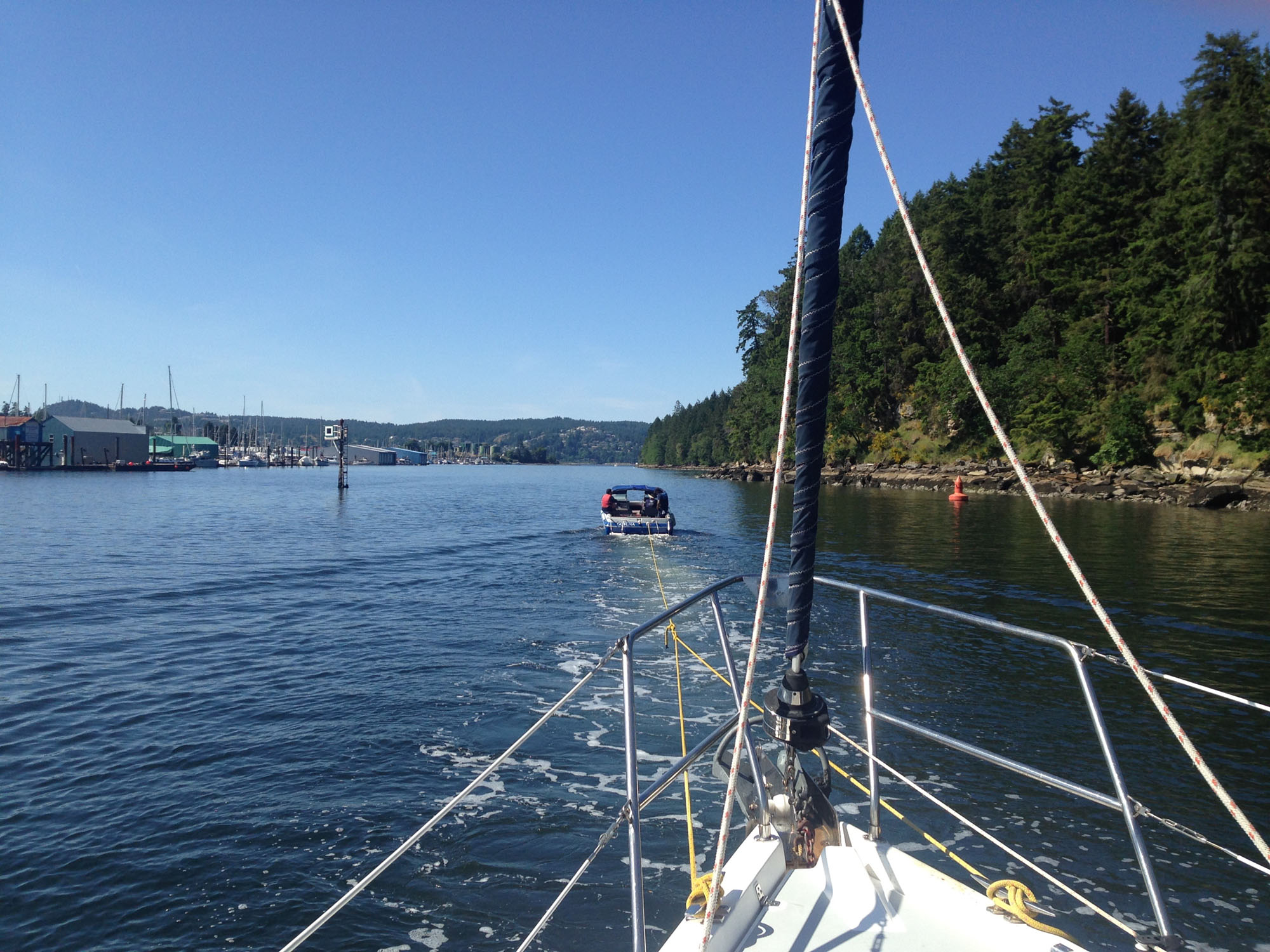
After a short wait Never for Ever was airborne and my little mistake was on display for all to see. They put her up on stands because now it was end-of-day Friday and likely now no one would look at her until Monday. We did cut through the line though, and the propellor shaft shot back 2 inches. There was a lot of tension created by that wound line — it acted almost like an impromptu gear puller.

And so…
Well unfortunately, while the engine did settle back—mostly, the motor mounts are hatched. All four will need to be replaced as well as the shaft saver — the coupler that attaches the transmission to the propellor shaft. As far as we can tell everything else is good but we won’t know for sure until we get her back in the water—probably not until Tuesday.
I didn’t ask how much this was going to cost, because frankly I don’t want to know right now and and Ian was trying to console me with the fact the motor mounts were likely going to have to be replaced in the next year or so anyway. I will keep telling myself that.
As for me, Leslie got on a plane to Toronto for five days and I will get to learn what living on the hard is like. So far I can’t say I am enjoying it all that much. But…c’est la vie or at least, that’s boat life… I’ve repaired the dinghy painter, filled a few holes in the fiberglass, scraped and sanded down some teak to revarnish, and taken the anchor and rode down to hopefully replace the chain… I guess I will keep busy until we are back in the water.

—Bruce #Cruising
Instagram This Week
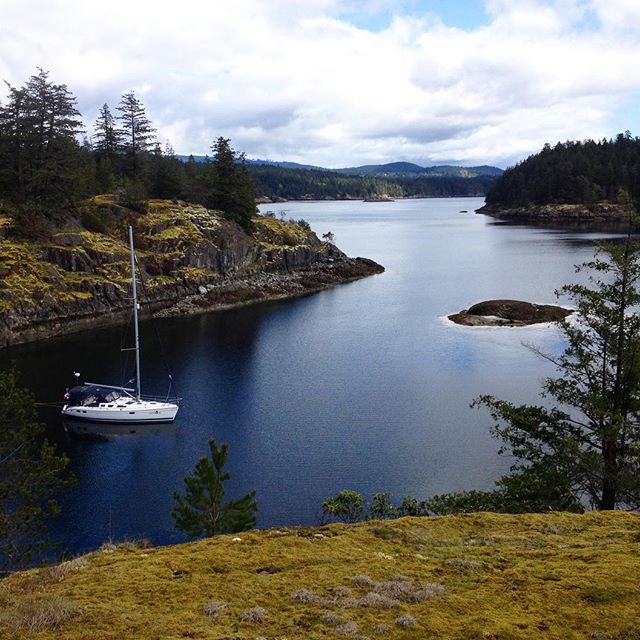
 And then there’s the windy anchorages. #plumpercove #howesound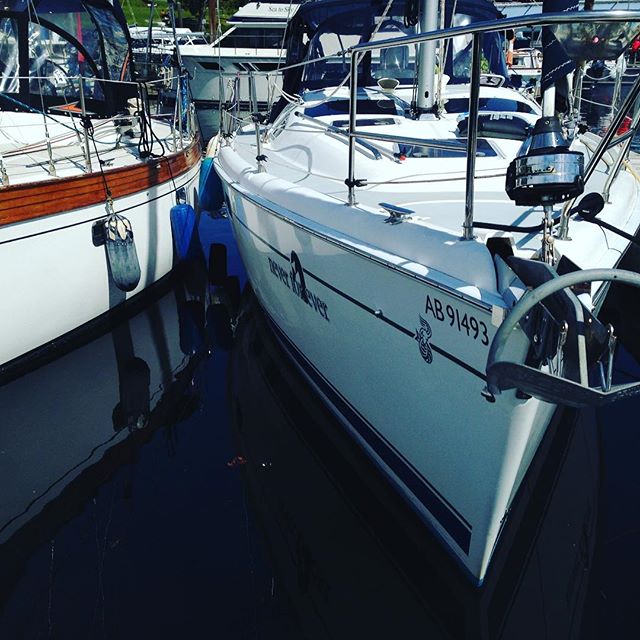


Drugs on board … & being sick
When we first moved aboard, I spent some time assembling a good first aid kit to supplement the one already aboard. I also stocked up on Tylenol and Advil and made sure to include a good supply of Robaxacet as my back had developed an insidious habit of spasming at the worst moments and rendering me virtually incapacitated for a few days. Luckily, so far, my back seems to enjoy sailing and I have been thankfully spasm free whenever we’ve been aboard. On my last visit to my dentist, the inestimable Dr. Frank insisted I accept a prescription for a good antibiotic in case we found ourselves far from assistance and suffering from tooth pain (I later was grateful for this foresight).
But the one thing I didn’t stock then and failed to include on this year’s cruise was any cold or sinus medication. Which I assume was some sort of subconscious and misplaced optimism, as we always have some sort of decongestant and/or antihistamine stocked in the medicine cabinet at home. And, as it turns out, we paid for that oversight.
The onset
It had been a bad start. For the first week or so I had been feeling nauseated. I blamed it at first on the disruption of my eating schedule and later on a fairly recent addition of cholesterol meds. We checked in with a pharmacist in Madeira Park, but he felt it highly unlikely the meds were to blame.
Just as I was getting over that, my allergies (which tend to plague me continually in a low-level manner while in Alberta and had, to date, disappeared on the West Coast) returned with a vengeance. It had been five years or more since I had a bad attack that involved a weird post-nasal drip that accumulates assorted crud in the back of my throat and will set off spasms of hacking and coughing every time I shift positions, but it was back and now I found myself incapacitated for minutes at a time as my body’s involuntary reflexes tried to prevent me from choking to death. Trust me, they were so bad that sometimes in the middle of these violent coughing fits, I might have chosen the more sedate choking option.
And of course, we were smack in the middle of Desolation Sound at this point with no easy options for acquiring any antihistamines. So I toughed it out.
I’m not sure who got the cold first, but it doesn’t matter. Suddenly it seemed that both Leslie and I were in the grips of monster chests colds, hacking, coughing and dripping in concert.
On a boat, feeling like cr@p
I have occasionally wondered what being sick aboard would be like, but for some reason I usually imagined it would involve some sort of intestinal problem — probably because that seemed the worst case scenario — and not something that was catching. So there we were, having infected each other, drained of energy and will, and completely without any of the world’s modern miracle drugs other than Extra Strength Tylenol to help. It was the nights that were the worst as both of us have been conditioned by years of habit to load up on OTC drugs when we’re sick, to help us at least get a partial night’s sleep before they wear off.

And despite my previous post’s happy endorsement of spring cruising, the rain didn’t help. On some of the rainier days, there was very little to keep our minds off our suffering stuck below in a cool damp boat. The Webasto got fired up perhaps a bit more than would have been our usual practice.
We were swinging on the hook in Von Donop when I made the executive decision that a few days at dock were called for, and so we raised the anchor and made for Heriot Bay, shore power and, best of all, a supply of medication.
On the road back to better
We tied up at Taku Resort and immediately tromped off to the Market. The selection was limited, but Leslie chose to indulge in her faithful NeoCitran while I opted for a combined cure to both my now incipient head cold and the persisting background allergies: Sinutab Allergies. We loaded up and spent two days on the dock reveling in electric heat, all the hot water we wanted and the ability to walk away from what we regarded as our own personal plague ship.
Of course we didn’t do that much walking, preferring to huddle miserably below. After a couple of days we decided that if that’s the way it was, we might as well go somewhere more picturesque so, after forgoing the worst of the drugs for a day, cast off for the Octopus Islands. And there we sat for a few more days in alternating sun and rain and slowly recovered.

At least I did. My cold slowly receded, although my allergies remained (albeit at a much reduced level thanks to the drugs). But Leslie’s illness had unfortunately settled into her ears, which stubbornly refused to drain, and she was starting to count down to a flight to Toronto that she absolutely did not want to make with blocked eustachian tubes.
The D-word.
Right about then we started paying attention to medical facilities. Or at least I did. Talking it over, we decided if L’s ears weren’t better by a week before her flight, we would bustle off to a doctor for some serious drugs. Of course, walk-in clinics didn’t seem to be overly abundant in Desolation Sound, so we shifted our short-term plans accordingly.

The days went by and with the help of some Benadryl I picked up in Lund, I beat my symptoms into a mere five-minute, first-thing-in-the-morning coughing session. Leslie’s ears did not, however, improve. And so we continued to move slowly south toward more populated parts.

A sign you will be sure to encounter on your walk tot he Pender Harbour Health Centre
A few days short of our one-week deadline we found ourselves back on the hook in Pender Harbour. I gave Pender Harbour Health Centre a call the morning after we arrived to get some advice on the nearest place to have Leslie’s ears looked at. It turned out they had a both nurse and a doctor available and could we be there by 11? I secured directions (a 10-minute walk south down the highway) and we started to get ready.
The A-word.
There are a lot of things about small towns that can be irritating, but Madeira Park—indeed the whole Pender Harbour area—has just the right balance between services and population to make things like going to the doctor a joy. We arrived about a half hour early and Leslie was bustled in five minutes later. I could hear her laughing, and 15 minutes later she emerged with a smile and a prescription.
It turns out that the issue with her ears was not the dreaded infection but instead a symptom of … wait for it … allergies.
“There are lot of things on the coast that cause allergic reactions,” the doctor told her authoritatively.
“But we spent a year here without being affected,” she protested. “And we returned a month ago.”
“Indeed,” he rebutted, “the exact conditions that might bring on such an attack.”
“Oh,” she rejoined weakly, “I see.”
“Indeed,” the doctor repeated kindly.
So we strolled back to town and Leslie filled a familiar (to me) prescription for steroids and we loaded up on Benadryl. Apparently Benadryl, according to the nurse practitioner, should be an essential part of any first-aid kit. Free from “helpful” additives, it’s a pure antihistamine useful in many situations.
And now we wait.

Aftermath
What makes this all poignantly ironic is that just as I was feeling a bit better I read Slow Boat’s (Riveted) latest post about stocking up for their annual Alaska cruise, where they made the point of stocking up with a healthy (pun intended) supply of Nyquill, pointing out how hard it could be to obtain and… Alas, such wisdom delivered only a bit too late. One of the less obvious dangers of cruising too early in the season: you miss the latest crop of internet sagacity.
We are on the mend now and harbour a desperate hope that this allergic reaction is just a fluke and not to become an annual trial. But if it does, I guaranteed next year we will be better prepared and fully stocked up with all the latest medical chemistry to beat our bodies into submission.
—Bruce #Cruising, #Equipment
Instagram This Week




The Next Two Weeks — or so…
Let’s continue on with a day-to-day summary of our trip to date shall we? That means I can just copy notes out of the ship’s log, add an observation here and there and be absolved from doing any real writing. Ah laziness…
Boat Log
5 May con’t
– We spent the rainy day in Squirrel Cove hunkered down, out of the rain.
– Nothing to report.
6 May
– Raised anchor around 0945 and motored back to the public dock.
– Leslie went ashore to mail some mail (Mother’s Day cards).
– Then we set off north, anticipating a nice downwind sail in 10-12 knots of wind.
– And the wind died.
– Arrived at Cassel Lake Falls in Teakerne Arm a few hours later.
– Spent a looooong time trying to stern tie in 100ft+ of water and just downstream from the falls. We finally managed to get the boat stable on our third stern tie position.
– Hiked up to the top of the falls and then on to the lake. Beautiful!
– Back at the dingy we rowed along the coastline before heading back to the base of the falls.
– Once aboard the winds picked up on the beam and the stern got closer and closer to the shore — not sure if the anchor was dragging or the long rode in deep water was adding to much play into the system…
– A brief discussion resulted in the prudent decision to up anchor around 1630 and set off for Von Donop Inlet.
– Side note: my allergies were kicking in and I was hacking away and choking like I haven’t done in years.
– 17-20 knots of wind right on the nose: sigh.
– We anchored in the first cove by the lagoon at 2015 hrs.
– Anchor was making a weird noise all night.


7 May
– Upon consultation we decided the noise was unacceptable and pulled up the anchor to move further down the inlet.
– We are the third boat the. This counts as the most crowded we’ve been since we left Nanaimo.
– L and I are both now exhibiting signs of bad colds. Did we pack cold meds? No.
– Nice sunny day and L explored the inlet by dinghy.
– Spent some time on the point overlooking the entrance.
8 May
– Colds fully installed and raging. We feel like crap.
– We decide to head for some sort of chemical relief and up anchor for Heriot Bay
– 2 hours later, Heriot Bay is full, so we tie up at Taku Resort.
– L docks us masterfully. She’s been doing a lot of docking this trip.
– We pay up and head for the store for Sinutab and NeoCitran and doughnuts for lunch.
– Later we hang around the boat suffering pathetically.
– Dinner is the pub at the Heriot Bay Inn. Burger and a Hermann’s for $12: w00t!
– Just before we go to bed, while brewing a batch of NeoCitran, the propane runs out. Switch tanks at night in the rain or wait until morning, knowing coffee will have to wait?

9 May
– Try to make coffee and remember previous night’s decision. Crawl out on stern to change propane tanks. Make coffee.
– More hanging around pathetically.
– We make a trip back to the store for some milk and produce.
– I checked the public dock to see if Peter from Kismet was there but no.
– More hanging around. Possibly even more pathetically.

10 May
– Still sick but tired of being sick and tied up to the dock.
– I forgo my morning doping and we cast off for Octopus Islands
– First we stop at Heriot Bay to refuel and refill our empty propane tank
– We are way early (3 hours) for slack at Beazley Passage so we tied up at the Surge Narrows Public Dock.
– I forgot about the note about the cross current and screw up backing in twice before I jump off the stern (dock line in hand) to just wrestle the damn boat in by hand.
– Someone forgets to take boat out of gear before aforementioned jumping to dock.
– L saves the day.
– Finally tied up we chat with the locals, explore the post office right on the dock and walk up the road (track) to the local school.
– No roads here, no power, no services — just cool residents living the life.
– A couple of hours of hanging around: pathetic love: medium.
– 1700 hrs we cast off again and negotiate the “rapids” with no issue.
– Arrive in Octopus Islands with one boat in the centre cove so we head to the northern-most cove and swing in the middle by our lonesome.


11 May
– We are joined by two other boats.
– Colds continue; considering labeling ourselves a “plague ship.”
– L throws her back out to make life even better; adds Robaxacet to drug regimen.
– It rains off and on.
– I go for a small row, but we otherwise huddle below.

12 May
– Rains on and off, sunny in between.
– Going stir crazy, so we head off for a row around the islets.
– We encounter Brad and Jan from s/v Longreach just arriving back at their boat in the other cove. They have been crabbing.
– After turning down their offer of crab due to extreme crab-related ignorance and then turning down their offer of free wine due to plague-ship status, we finally relent to accept a couple of pre-cleaned crab and cooking instructions. Super-nice people who have been living aboard for years and traveled to Mexico, the South Pacific, Japan and back.
– We return to the boat for the now traditional hanging around pathetically.
– For dinner we boil up the crab, I make up a lemon mignonette and garlic aioli and are now initiated into the ranks of messy crustacean consumers. Good stuff.

13 May
– L need internet for some last minute conference stuff, so we decided to head off to the Toba Wildernest Resort on the advice of friendly neighbourhood boaters.
– We up-anchor 30 minutes before slack at Hole in the Wall — everyone else does as well and as we leave the Islands they are once again empty.
– We circle outside Hole in the Wall (up to 11 knots of current at max flood!) waiting for exact slack. Two trawlers come through from the other side about 8 minutes early and we head in as soon as the clear the pass.
– The gap between the two islands takes about 30 minutes and is narrow and beautiful the whole way.
– As we cross Calm Channel we get internet again for the first time in a bunch of days.
– No wind and we motor for a few hours easterly towards Toba Inlet.
– Approaching the Wildernest Resort we radio in and they tell us they are still closed until June 1. Bugger. Stupid friendly neighbourhood boaters.
– So we head south to Waddington Channel to check out Walsh Cove.
– Walsh is beautiful but involves a stern tie in 60-80 feet of water. And we’re tired. And still sick. And Prideaux is only 1.5 hrs south. So we decide to continue on.
– We anchor in Laura Cove (Prideaux Haven) around 1820 hrs. Since we are the only boat we just swing in the middle. Long, tiring day. We take drugs and go to sleep.

14 May
– I’m feeling better. -ish. The cold has receded leaving only the post nasal drip of a bad allergy attack that wakes me up in the middle of the night because I’m choking. L’s back is good but the cold seems to have settled into her ear…
– I mention the H-word. Discussion is deferred.
– Internet is too spotty so we head out into Homfray Channel to get a good signal.
– Work done, files uploaded and tasks completed we circle a bit and decide against returning to Laura Cove. Tomorrow is supposed to be another crap day before the weather clears for a week or so. We have laundry to do and some groceries to get so we decide to head to Lund.
– And possibly I am getting a bit stir crazy and need to walk around…
– We arrive at Lund around 1330 and they have one spot left just the perfect size for us. We tie up and decide against paying for power.
– We go shopping, restock on drugs and olive oil.
– And take a short walk.

15 May
– It rains all night
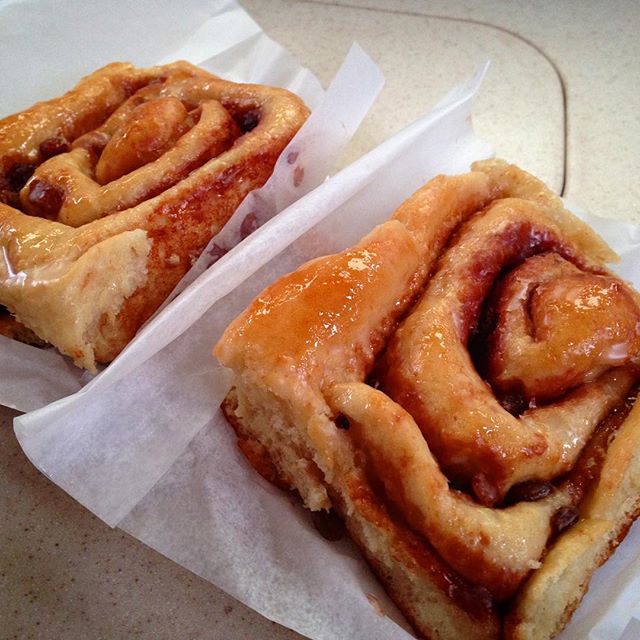
– I throw on my rain pants over my pajamas and head up to Nancy’s Bakery for fresh, warm cinnamon buns. Mmmmmmm.
– L works and I head in to do the laundry.
– More talk of hospitals and doctors (L has to fly in less than 2 weeks and the ear needs to be dealt with by then). Discussion deferred again.
– We walk up to the Historic Lund Hotel and I have the “World’s Best Clubhouse.” When I ask the waitress if it really is, she admits to being a new employee and uninformed about the possible superlative nature of the clubhouse.
– It is a damned good clubhouse. The waitress later admits to asking the cook to ensure its superlative nature and he decided to add extra bacon to push it over the top. Lucky me.
– We buy Harbour House’s Whelks to Whales to further our knowledge of all the undersea life we have been examining on our almost daily rows.
– A short walk ends back on board with some relaxing, coughing and generally time-wastage.
– Then it’s time for wine.

Spring Cruising: The April Edition

Our first real experience with boating in the PNW was a Powerboat Cruise and Learn in late April. We motored the Gulf Islands for a week learning the ropes (literally) and learning the basics. Since then we seem to have spent a lot of time aboard in May and June, and I have to say I am really not sure the warmth of July and August are enough to offset the benefits of early-season cruising.
Anchoring Out
Now this is where the real joy is. Smuggler Cove: we had it to ourselves. Garden Bay: again we were the only boat anchored out. We had the entire Copeland Islands chain to ourselves. Prideaux Haven had one, yes one, boat in it, and we shared Melanie Cove with one other boat, both of us swinging in the centre. We stayed two nights in Squirrel Cove and shared it with two other boats the first night and absolutely no one the next. Last time I was in Squirrel Cove it was August and I think there were close to two hundred boats anchored there. The difference is simply mind blowing.

Teakerne Arm, Rebecca Spit, Von Donop Inlet: all the same. Occasionally there will be another boat there, but if you stay a few days you inevitably get the place to yourself. And as we meet more and more of the other boaters, they all say the same thing: spring is the time to be cruising, especially Desolation Sound.
You get the opportunity to visit a lot pf places without the stress of a large audience watching you screw up your stern tie (our first attempt in the deep water off Cassel Lake Falls is a story in itself) or worrying about finding a place to spend the night. It also means you can swing freely in places where you might otherwise have to stern tie.
Enjoy it all
It’s a bit too early for good fishing unless you have a down rigger, and the whales are just returning, but there is still plenty to enjoy, especially if you like puttering around the shores. Eagles are everywhere and the clear, undisturbed water is teeming with life from Lion’s Mane jellyfish to coral. We’ve seen more sea cucumbers in the past week than I have ever seen before.

The trails are wet and occasionally a bit challenging, but I entertained myself by clearing deadfall to make the walk easier for the next hikers and by keeping an eye on the ground for all the flora and fauna to be seen. I love wildflowers and spring affords me the opportunity to see a whole new range of them and practice my bad photography. Even the lichens are in bloom!

And the colours are fantastic. The days are already getting pretty long, and the play of sun and clouds across the mountains and water creates some pretty mesmerizing and ethereal scenes. Words aren’t enough and I’m just not a good enough photographer to capture the beauty. You have to see it for yourself. Really.
So what do you need?
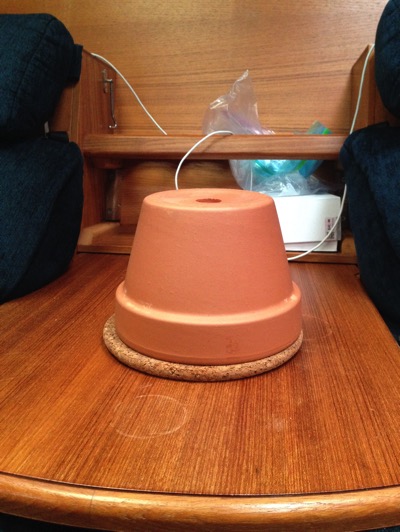
Let’s start with a little background. Never for Ever is a 2003 Hunter 386. She has all the common amenities: gas stove, fridge and freezer, BBQ, head, etc. In addition to that she has a diesel fired Webasto hydronic heater with 3 separate “zones.” That allows us to heat the boat any time we want, although when all the fans are running she is using about 6 amp/hrs (that means that if we run it for 2 hours we use about 12 amp/hrs which is about a quarter of our normal daily allotment). We also have the best-ever fleece sheets that make crawling into a cold bed a non-issue. In addition we have tons of candles and a little candle/clay pot heating system that can take the chill off an evening as the sun goes down.
In the cockpit we have most of a full enclosure (because the mesh side panels don’t completely block the wind). Best of all, the two clear panels that attach to our dodger almost completely block any wind when underway. And while the bimini does leak a bit where it attaches to the arch, we are generally snug and dry in the cockpit even if it is raining.
Back to batteries. We have enough capacity to last four days without plugging in or firing up the engine if we are miserly with the heat, and three days if we stay warm. And it’s often warmer out in the morning sunshine than it is below so we can abandon the cabin if it’s cool but not cold enough to bother with the heater. What’s too cold? 10° C sends me running for the heater when I wake up and 13° C probably means we’ll tough it out with a nice hot coffee/tea to get us started.
What’s This Got to Do with Spring Cruising?
Well, it’s important to realize that for us, in a moderately equipped boat, cruising in the early months is a lot like camping in the mountains. It can be cold and damp at night, but the days generally make up for it — with the occasional rainy day spent relaxing under canvas. A fancy powerboat with a generator can probably leave the heat on continuously and may have lots of canvas-enclosed “sunrooms” that make it all more luxurious. As in the aforementioned camping reference, the trick is to stay dry, layer up and use positive words like “brisk” and “invigorating.”

But if you can accept the fact that you are going to wear layers, enjoy a splash of rain now and again, and expect to need an extra quilt or two, then there is lots to recommend about cruising the PNW in April and May and very little to fear.
Weather
It’s not that bad. Really. This year we headed up to Desolation Sound in mid-April and we have averaged rain two or three days a week, but it often happens over night or early in the day. Some of our best days have seen us getting up to steady rain and motoring for a few hours as it clears to have fantastic sunny weather when we arrive to explore our new anchorage. Daytime temperatures are usually in the 15–16°C range, which is plenty warm if the sun is out. The nights can get cold, but bring your favourite down sleeping bag and you won’t care. And the sound of rain at night is soothing.
The winds are good if you are a sailor. and not all that bad if you don’t mind bashing into a 20-knot head wind occasionally (we don’t). And the distances to most places are so short (an hour or two) that even a bad day doesn’t last long.

I do think early-season cruising should be more of a relaxed affair—the more time you have, the better. That way bad weather days are spent relaxing or walking a rainforest in the rain (which I firmly believe everyone should do at least once in their life). If you don’t have the time to outwait the weather (rarely longer than a day or two), then some destinations can be a bit more difficult.
Marinas and Resorts
The other thing to be aware of is that a lot of places aren’t open yet or have limited services. Contrary to expectation, trying to get space at public docks like Chemainus or Westview in Powell River is actually harder since they have not yet opened up space for the summer transient traffic. The restaurant at Gorge Harbour isn’t open for dinner, Refuge Cove has only limited services and, if you go further north, most of the places in the Broughtons like Port Harvey or Pierre’s will have dock space but few or no supplies available.

On the other hand, Taku Resort off Rebecca Spit has off-season rates, which means you can afford to tie up there. And Heriot Bay is similarly inexpensive at just over a dollar a foot. This makes supply and laundry days much more affordable if you are out for any length of time.
A couple of days ago we pulled into the public dock at Squirrel Cove and tied up. We did some resupply, washed all of our laundry and recharged our almost-dead batteries and were off to the main anchorage four hours later. No competition for space and no rushing. Glorious.
So What’s Stopping You?
I realize some of us don’t have much time, and “wasting” it on a spring cruise rather than waiting until high summer seems shortsighted or foolish. I just don’t think it is. It all depends what you want out of the experience. I value serenity and beauty, solitude and newness. Others might prefer the more social aspects of hanging out in a big anchorage with dozens of other boats, and I will admit that occasionally I wish we had some other boats around to entertain me. After all, we are all part of a community.
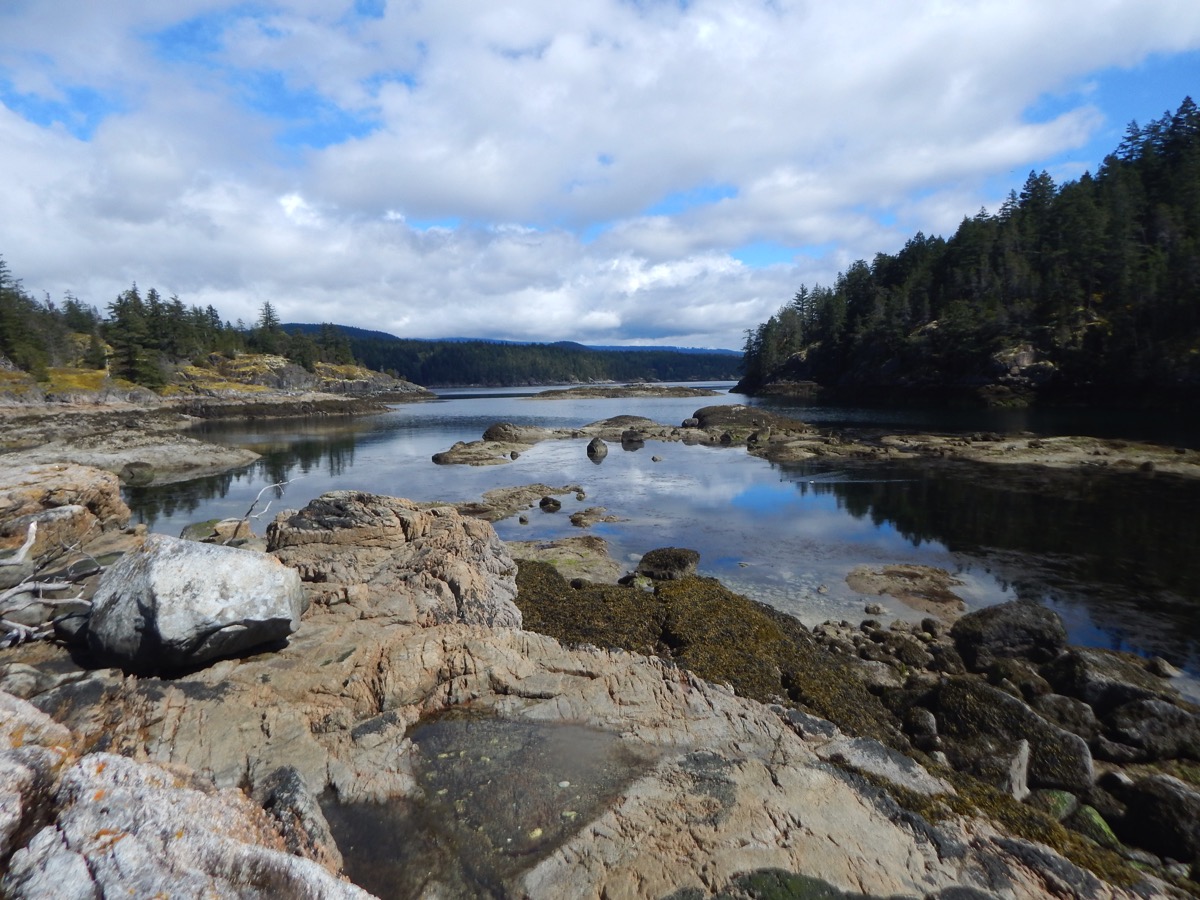
Still, if I wanted warmth and sunshine and crowds, I would likely spend my money in Mexico or the Caribbean. What the PNW offers is beauty and more beauty. A sense of wild, untouched landscapes and the opportunity to explore them at my own pace. Oh, if I can swing it, I will definitely come back in July and August, but I truly don’t think that the opportunities afforded by an early-season cruise should be missed by anyone who can afford to give it a try.
—Bruce #Cruising
Instagram This Week


Our first ummm… 2 weeks
It’s been busy 2 weeks. A lot of change, a lot of settling in and a lot of re: readjusting, rearranging,repositioning and rethinking. I am surprised on some levels how smoothly it has gone; and on others I remain sceptical about the amount of success we can claim in actually adjusting to life back on the boat. Still, we’ve got time and intend to let matters take their course.
I am going to do a post over at neverforever.ca detailing some of these issues but I thought I would do a quick catch up of the day to day of the last two weeks or so.
Log
20 April
- Travel from YEG to YVR. We caught a cab to the South floatplane terminal and had a bee in the Flying Beaver while we waited for our flights. Our extra bags almost tripled out 35 lb baggage allowance so we paid an extra $25. Still a good deal.
- It was sunny in Vancouver but we landed in Nanaimo in a light rain; it remained sporadic for the rest of the day.
- We walked over to Stones Marina and collected the boat and gate keys from the new Marine Store. We loaded our gear on board and started unpacking.
- There are at least 3 owners on dock right now so we share the keys to the courtesy car around. Owen from Keykera (the Hanse 40) lets me know when he’s done and we pile in to buy supplies.
- I carelessly stuffed my reader in the front pouch of my carry-on and when I stacked it on top of the rolling luggage and then we dropped the whole mess it turned out that half my screen was now inoperable. Since I didn’t want to read only half a book (only the bottom half) we decided to seek out a Chapters. Since we were at it we bought two (one for each of us) and then skipped across the parking lot to Save On to provision.
- Despite our careful lists last spring we still managed to to buy things we didn’t need like laundry soap and tinfoil. A lesson learned for next year.

21 April
- Sunny 14°
- The morning started slow as we bounced back and forth from the NYCSS office to the boat listing deficiencies (missing cushions, missing dish rack etc.) and straightening little details out.
- L’s parents picked us up around noon and we went out for lunch and coffee afterwards.
- Back on board we engaged in more unpacking, tackllngour storage locker. Our initial intent to not haul it all was soon abandoned and the only thing we left behind was a couple of pillows and a comforter as NYCSS had supplied us with linens. Still, I got my favourite pillow and our fleece sheets so the boat is over supplied with linen.
22 & 23 April
- After some humming and hawing we decided to stay on dock settling in. There were a few issues (a lose wire, I wanted to replace the dinghy painter etc.) and the evenings were on the cool side and we like the electric heat. So we took the time to acclimatize both physical and mentally.
- By the time we had moved everything around the boat had been transformed from the stark charter boat to something more akin the home we were used to.
- We did dinghy to Newcastle and walk around for a bit. My stomach had been unsettled for the last couple of days and remained that way for more than a week; I took to having late afternoon lie-downs. I still don’t know what the problem was but I stopped taking cholesterol meds I had recently been prescribed and things have settled. L is convinced its a psychosomatic coincidence but I am not so sure. I will restart them in a day or two and see how it goes.
24 April
- We finally cast off and motored the long 1 nautical mile to the anchorage off Newcastle Island.
- The weather is unsettled but not unpleasant
- When we hopped in the dinghy to take a run into town the outboard seemed to be seized. I couldn’t pull the start cord for love or money. A bit of investigation and poking around found that the engine was fine but the transition was in gear. A little more poking around found a bolt lying loose under the engine. I managed to retrieve it and fasten the bracket for the transmission shifter cable and voila! We motored back to NYCSS and borrowed a deep socket to tighten it back up and we were good to go again.
25 April
Rainy.
We went to run errands in town. Picked up some loonies and twoonies for laundry and showers and some more fresh produce. I also snagged a second frying pan and a bunch of odds and ends of kitchen ware from the dollar store.
We hiked to the lake on Newcastle and enjoyed the rest of the day.

26 April
- Sunny.
- We weighed anchor and motored across Strait—no wind to speak of.
- About half way through Welcome Passage — a narrow passage between South Thoramsby and the mainland — we were hailed by a tug that had just passed Merry Island behind us. He let us know that the tug way ahead of us was coming into Welcome passage as well and that we should be prepared to make room for the two tugs and barges to potentially pass each other in the narrow passage.
I assured him we would.
- I checked the AIS and it looked like our CPA (closest point of approach) for the tug ahead would be four minutes or so after I intended to turn off into Smuggler so we relaxed and just kept an eye on him.
- We pulled into an empty Smuggler Cove a little before low tide. We went a bit deeper into he Cove than we usually do and managed a pretty decent stern tie manuever.
27 April
- Sunny.
- We paddled around and hiked part of the trails. A quiet day.

28 April
- Sunny.
- We pulled out and made the short motor to Garden Bay in Pender Harbour. There was big powerboat anchored off our stern but he left a little later. Once again we were the only (transient) boat in an anchorage.
- There was a small aluminum boat tied off to a mooring buoy (I thought) a few boat lengths off the end of our rode but I ignored him. Turns out he wants on a mooring buoy but on about 80 feet of rope road and when the small powerboat returned to take over the line from aluminum job we were closer to 30 feet. I talked about moving with the owner but decided to see what would happen.
- We headed in to Madeira Bay to buy some meat and a few forgotten provisions. We checked out a few places to potentially eat dinner and eventually motored around the point and checked out the Painted Boat Resort and made a reservation at their restaurant.
29 April
- Raining mostly but it cleared late afternoon.
- When I poked my head up in the morning the anchored power boat was bumping off our bow and the owner had come out to make sure we weren’t scraping up the side of our boat. Nice guy. So I gave in and we moved the boat a couple of hundred yards further out.
- I’d forgotten onions so we dinghy over to the Garden Bay Pub docks and walked over to Henry’s. They didn’t have much at this time of year but I did grab a couple of onions.
- That night we motored over to the Lagoon Restaurant at the Painted Boat Resort for a lovely dinner.

30 April
- Sunny with partial cloud
- A couple of hours motoring into 15-20 knots of wind (will the wind ever go my way in the Malaspina Strait?) we arrived for an Illicit docking at Westview marina. Dock 6 was empty because they were doing repairs. But we figured since it was Sunday we should be ok until morning.
- We topped off the tanks and got set to go if we had to cast off early.
1 May
- Very rainy in the morning, but a lovely sunny afternoon.
- We cast off mid morning. The Marina manager said they wouldn’t be doing any work until later in the day.
- We decided to try our luck in the Copeland Islands. We found a one boat nook between two of the southern islands and stern tied a few hours before low tide. All the rocks were awash and it was pretty easy to manuever in. We did later discover a wreck that showed up in the narrow bit coming in that was awash at low tide and noted it for when we were heading out.
- We hiked the shore line for a few hours and rowed around a few of the islets, enjoying the sun and warm weather.


2 May
- Partially cloudy but the winds are climbing.
- We decided to l and the winds were predicted to climb and we were stern tied beam on to them.
- Leaving at high tide was a bit more exciting as you couldn’t see the wreck or the rock and had to guesstimate. The chart plotter wasn’t overly accurate so I pretty much ignored it except to get my bearing. And coming off the stern tie in the wind swung our stern towards the other shore a bitt to close for my comfort. But all turned out well.
- Thurin Channel between the Copelands and the mainland is narrow and a tug with a log boom was just entering from the north. He didn’t answer a hail on 16 so we decided to cross his bow and pass on the starboard as he seemed to be drifting to his port.
- We turned into Desolation Sound proper and decided to check out Prideaux Haven, a very popular destination in high season. We pulled into beautiful Melanie Cove just in from Prideaux a few hours later and there was only one boat in Prideaux which might house 40 or 50 in summer. And there was one lovely green boat from Victoria in Melanie Cove that we passed as we anchored at the far end.
- The anchor chain bound in the windlass and we had to do some MacGyvering to get the anchor down.
3 May
- It was rainy but we suited up and explores & hiked some rough trails. We are obviously some of the first as I had to clear a lot of winter deadfall. It will be easier on the next crew.
- Then we rowed the cove and explored the shoreline. We spotted our first Lions Mane jellyfish: rusty orange with tendrils 2 feet long streaming behind a 3 or 4 inch jelly. Really fascinating.


4 May
- I awoke to misty swirls of cloud disputing in the emerging sunlight.
- I had coffee up in the cockpit for the first time. there was a crack and a rock plunged into the water over on the north shore. I don’t know what it was but less than five minute later a series of reverberating cracks and bangs on the south shoer echoed through the cove and then a tree sedately dropped into the water with a big splash. It was an extraordinary amount of noise.
- The laptop batteries needed to be recharged so we flipped on the inverter for an hour or so while we enjoyed the morning. Unfortunately I forgot that I had plugged in the electric heater in Powell River and since we had opened the hatches to let some fresh air in andmositure out no one noticed it blowing hot air in the v berth. I came down to check the SOC (set of charge) on the batteries and was astonished and dismayed to see it sitting at 53% (letting it drop below 50% is extremely hard on the batteries). An quick investigation revealed the heater as the culprit. This meant we had to either motor for a couple of hours or find a dock to plug into.
- We decided to head to Squirrel Cove to do laundry a few days early. It might have been a good choice anyway as we passed 6 boats heading east on our way west.
- We tied up at the Squirrel Cove public dock (with 30 amp service) and walked our laundry over to the Squirrel Cove General Store. We started the loads and picked up some fresh produce and some more wine, then enjoyed the sunny afternoon. Three hours or so later we cast off, with clean laundry, fresh supplies and topped up batteries.
- We dropped anchor deep in Squirrel Cove all alone in an anchorage that literally can hold hundreds of boats. Two more boats showed up later in evening but it was till pretty peaceful. We BBQ’s some chicken and went out to explore and try out the underwater housing on my small action camera.

5 May
- Rainy in the morning. Clearing as I type…
- We decided to stay in Squirrel Cove; we’ve been moving too much lately. All the other boats have cleared off and we are alone again.
- L’s baking cookies.
Instagram This Week